
Central Texas
Round Rock • Georgetown • Cedar Park • Leander • Pflugerville

Round Rock • Georgetown • Cedar Park • Leander • Pflugerville
01 / ROOFING SERVICES
A leak does not automatically mean replacement. Storm damage does not always look obvious. And an aging roof is not automatically a bad roof.
Start with what you are seeing. We will help narrow down the right next step.
02 / SERVICES
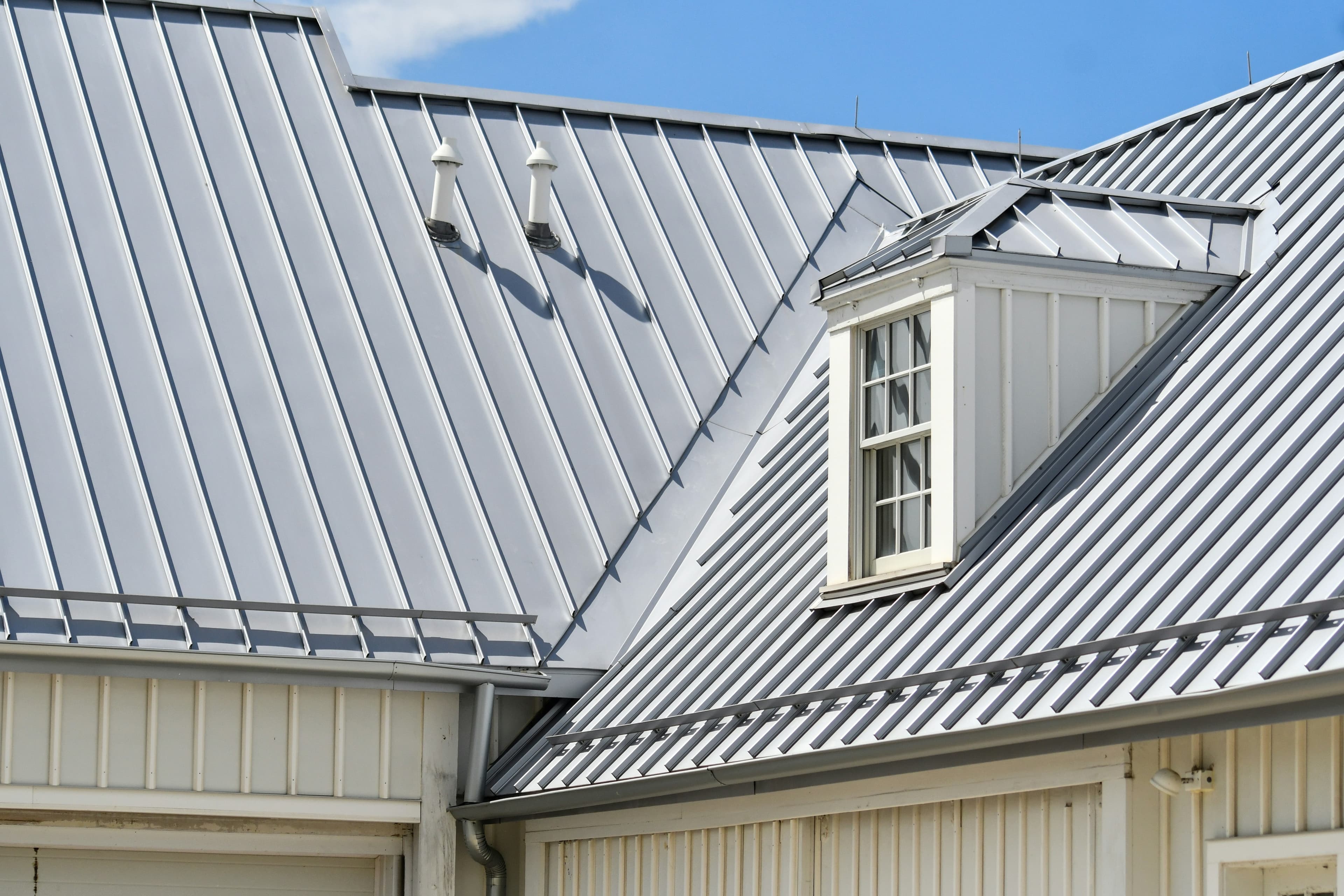
Roofing services built around what the roof actually needs—not whatever creates the biggest invoice.
Understand what is actually happening before deciding what comes next.
You are unsure of the roof's condition, the roof is aging, or you simply want a professional look.
Address localized leaks, damaged shingles, flashing issues, and other specific roofing problems.
The problem appears isolated and the surrounding roofing system is still in serviceable condition.
Replace the roofing system when wear, damage, or deterioration makes continued repair impractical.
The roof has widespread wear, recurring issues, or significant system deterioration.
Document visible roofing conditions after hail, wind, and severe weather.
A recent storm may have affected the roof and you want to understand what changed.
Address smaller vulnerabilities and developing conditions before they become larger roofing problems.
You want to monitor an existing roof and reduce the chance of avoidable damage.
03 / ROOF INSPECTIONS
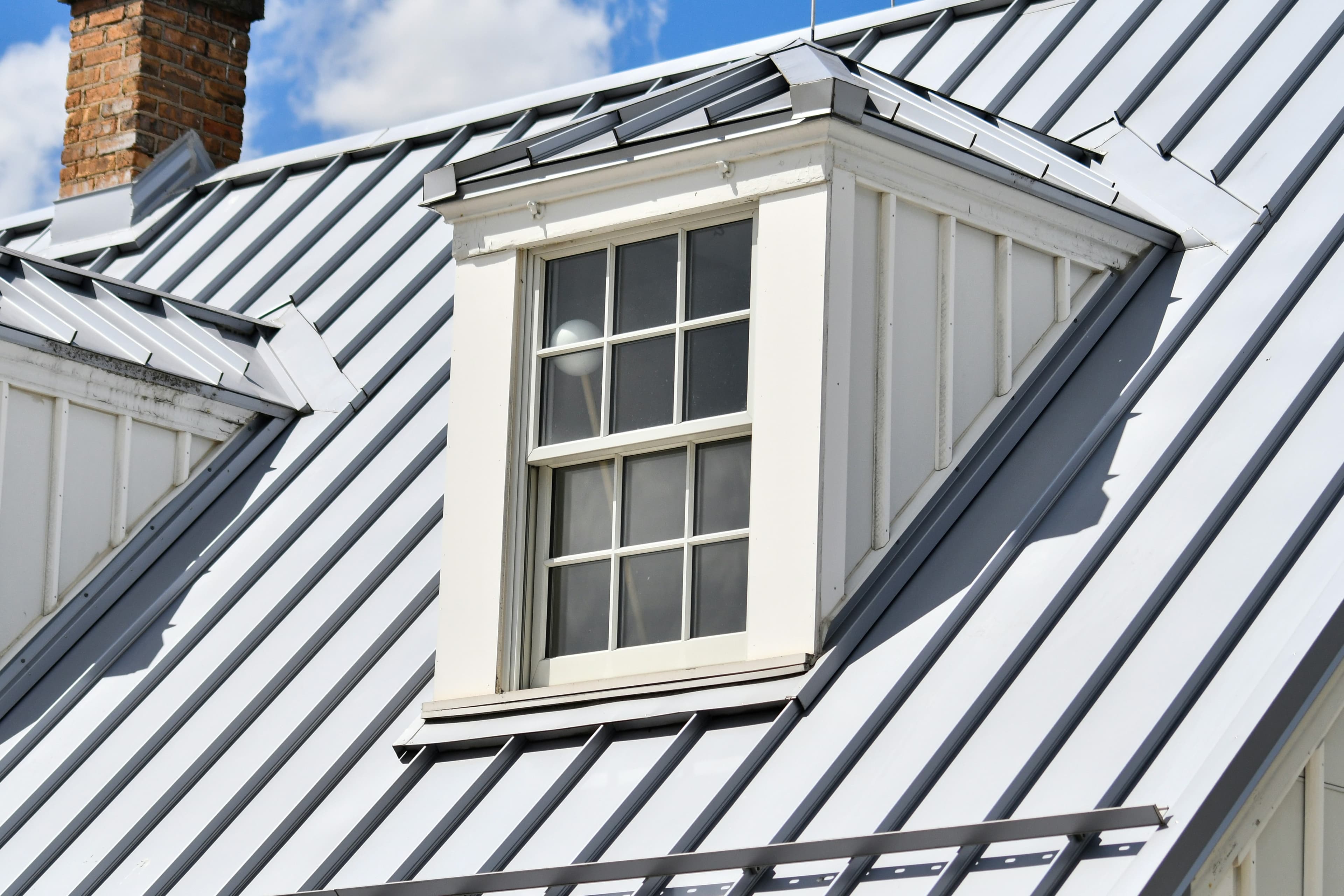
A condition-first look at the roofing system to identify visible concerns and determine what, if anything, needs attention.
You are unsure of the roof's condition, the roof is aging, or you want a professional look before making a larger decision.
Findings are documented and explained before a next step is recommended.
SCHEDULE INSPECTION →
04 / ROOF REPAIR
Repair addresses localized conditions when the surrounding roofing system remains viable.
Active leaks, missing shingles, flashing problems, localized storm damage, and vulnerable transitions.
Shingles, flashing, penetrations, seals, drainage concerns, or small roofing sections.
If you have a leak or visible damage, start with a repair assessment.
START REPAIR ASSESSMENT →05 / ROOF REPLACEMENT
Replacement becomes the conversation when the existing roofing system makes continued localized repair impractical.
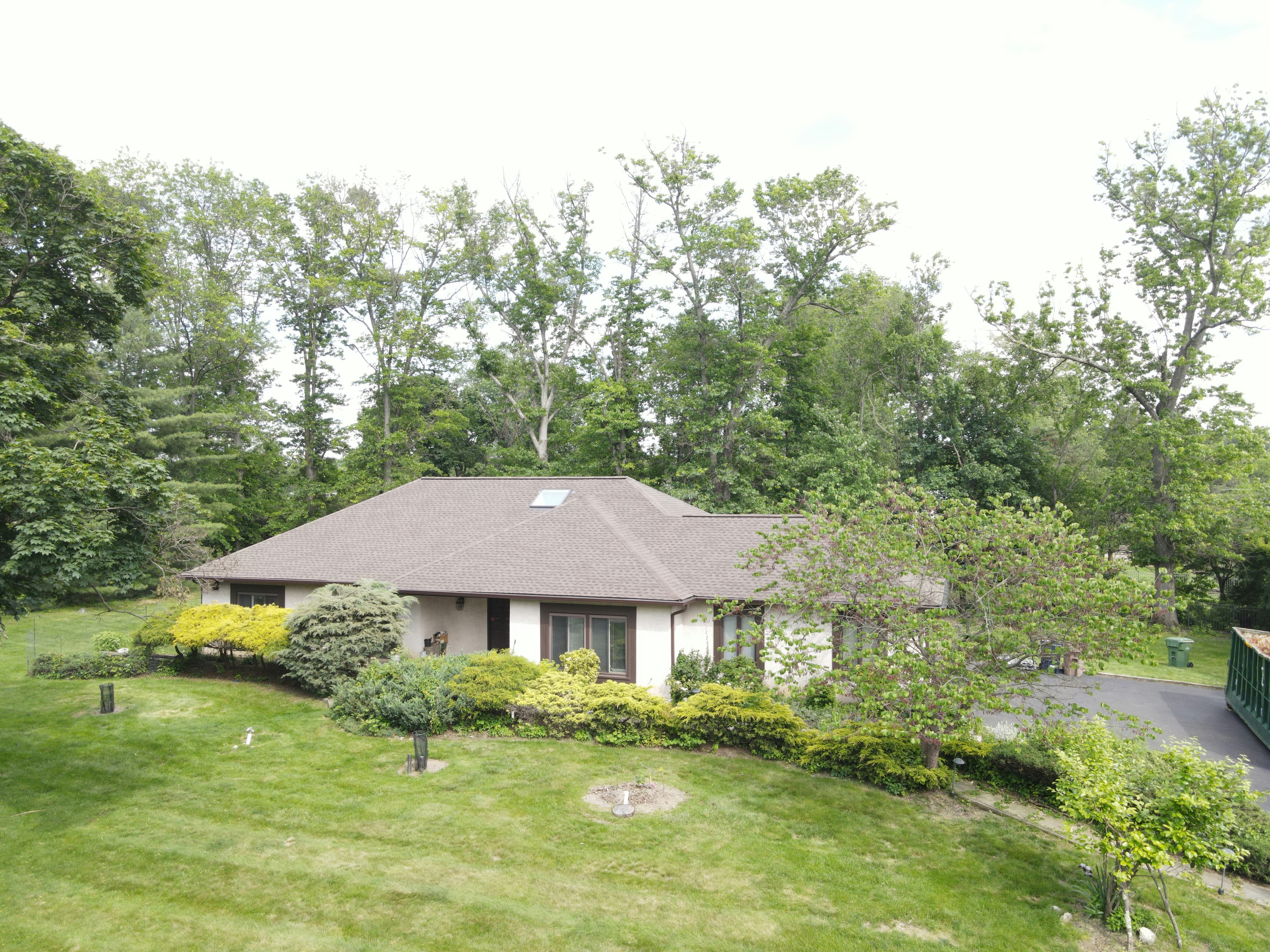
Widespread wear, recurring problems, extensive damage, or system deterioration is present.
Inspect. Document. Explain. Recommend.
Understand why replacement is being recommended, what is being replaced, and what the new roofing system needs to accomplish.
GET REPLACEMENT ESTIMATE →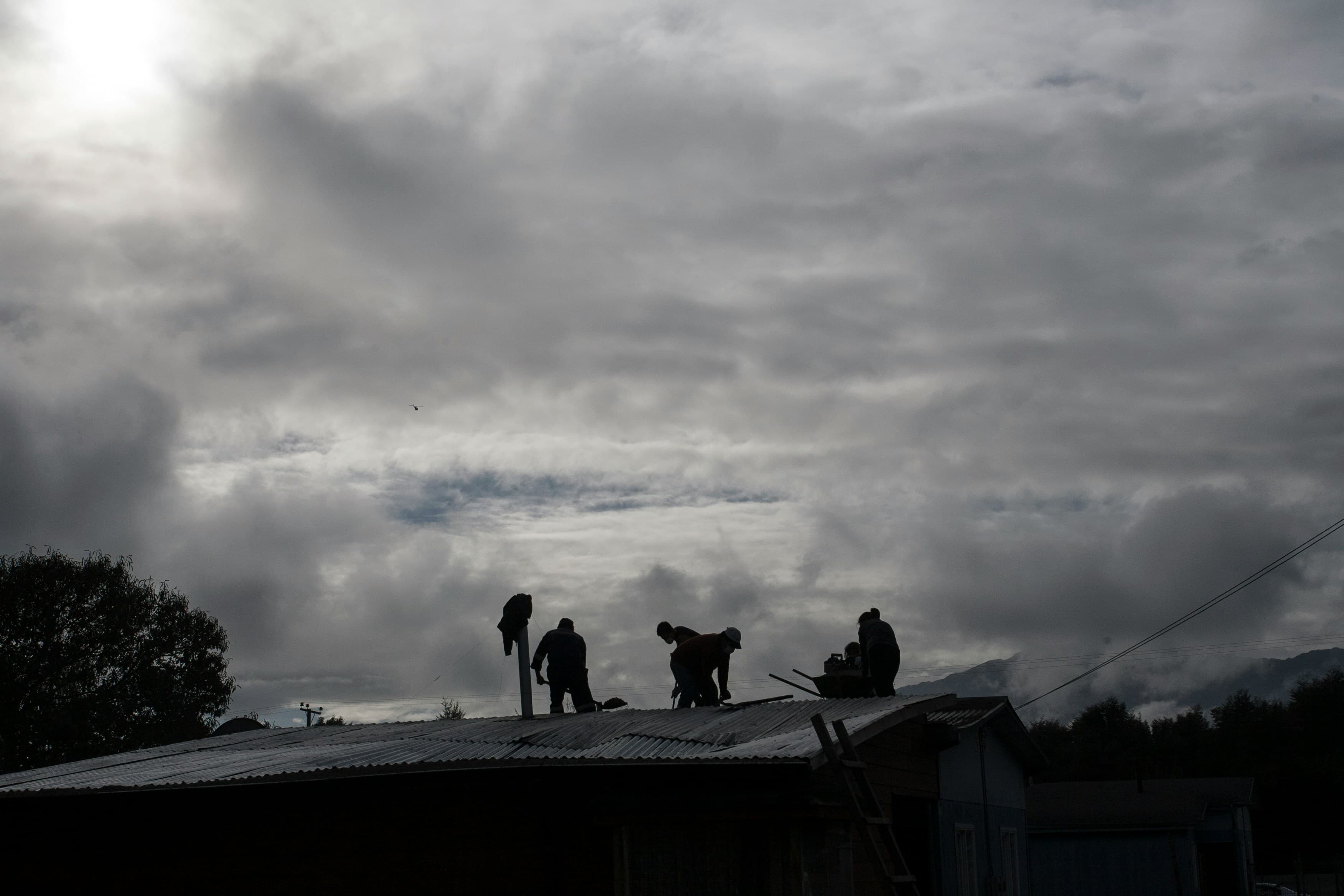
06 / STORM + HAIL
Storm-related roofing conditions are not always obvious from the ground.
SCHEDULE STORM ASSESSMENT →07 / PREVENTATIVE MAINTENANCE
08 / FIND YOUR STARTING POINT
Choose the situation closest to what is happening.
09 / HOW WE DETERMINE THE NEXT STEP
We look at the roof first. The condition determines the service—not the other way around.
What is actually happening?
How localized or widespread is it?
What is the condition of the surrounding roof?
What requires action now versus monitoring?
Monitor, maintain, repair, further evaluate, or replace.
10 / PROJECT ESTIMATOR
Build an initial planning range based on your project, roof, and property.
START MY ESTIMATE →11 / ROOF INSPECTION
You do not need to diagnose your roof before contacting a roofer.
SCHEDULE MY INSPECTION →12 / QUESTIONS
The condition, scope, and surrounding roofing system matter more than any single symptom. An inspection can help determine whether a localized repair is appropriate or whether the broader system should be considered for replacement.
Yes. If you are unsure where to start, an inspection is the most direct way to document the roof's current condition and identify the appropriate next step.
A general inspection looks at the overall visible condition of the roofing system. A storm assessment focuses specifically on conditions that may have developed after hail, wind, debris, or other severe weather.
Not automatically. A leak can come from a localized issue such as flashing, a penetration, damaged shingles, or another specific condition. The surrounding roof should be evaluated before deciding whether repair or replacement makes sense.
Preventative maintenance can be useful when the roof is generally serviceable but smaller conditions, vulnerable transitions, drainage concerns, or developing wear should be addressed or monitored.
You can use the project estimator to get an initial planning range. Final scope and pricing should still be based on an inspection of the actual roofing system.
13 / NEXT STEP
Start with an inspection and understand the roof's actual condition.
SCHEDULE AN INSPECTION →