
CLEAR BEFORE COMPLICATED
You should understand the condition of your roof before anyone starts selling you one.
Round Rock • Georgetown • Cedar Park • Leander • Pflugerville

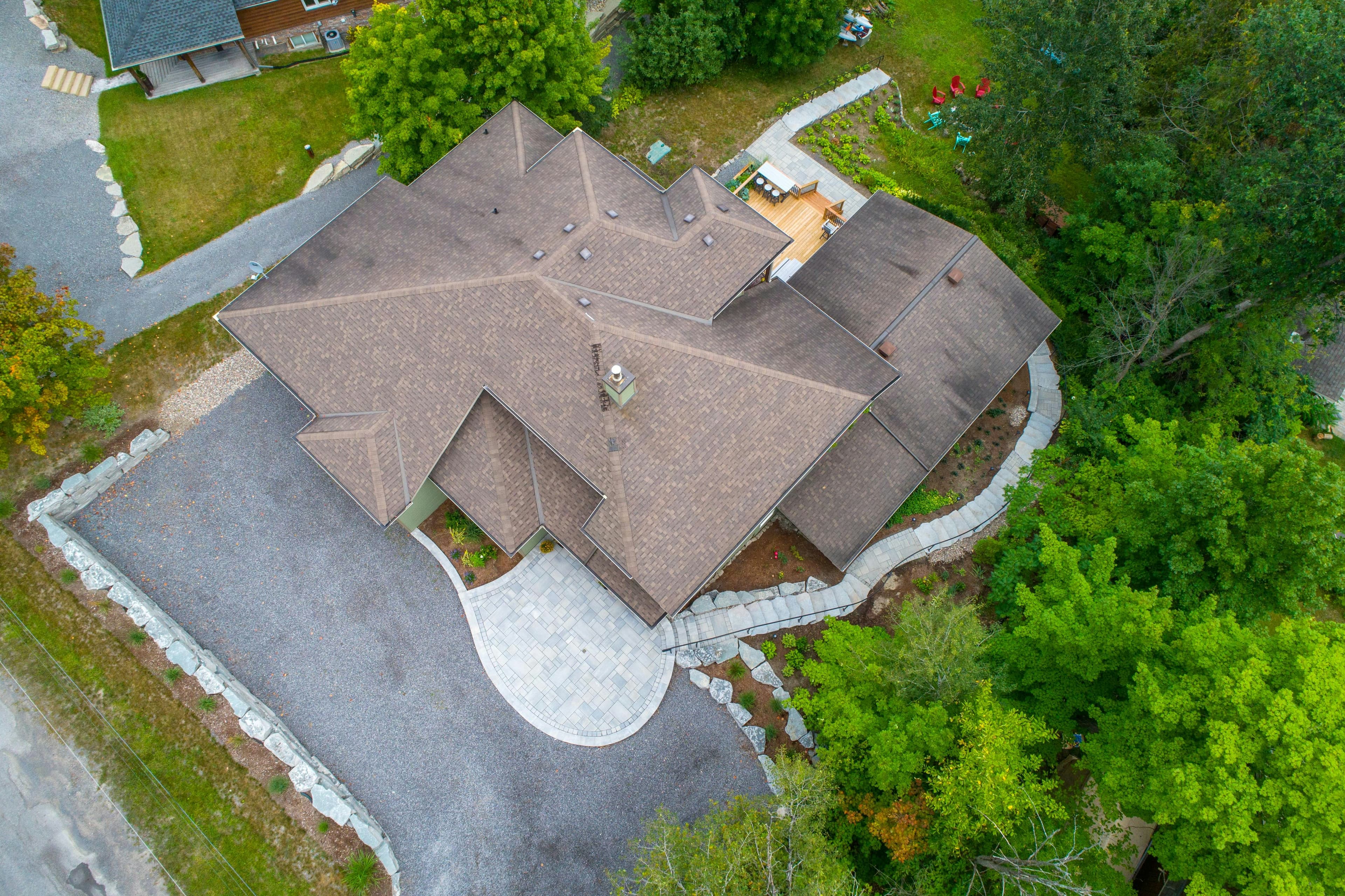
AUSTIN + TEXAS HILL COUNTRY ROOFING
Residential roofing built for Central Texas heat, hail, wind, and severe weather. Start with what you're seeing, understand what the roof actually needs, and move forward with a clear next step.
Pick what's happening. We'll point you toward the next step.
AUSTIN + TEXAS HILL COUNTRY ROOFING
Residential roofing built for Central Texas heat, hail, wind, and severe weather. Start with an inspection, understand what your roof actually needs, and move forward with a clear next step.
Pick what's happening. We'll point you toward the next step.
03 / BUILT DIFFERENT
Hill Country Roofing was built around a straightforward idea: homeowners should know what’s happening above their heads before they’re asked to make a major decision.
We inspect first, explain what we find, and recommend the work the roof actually needs — whether that means a repair, a replacement, or nothing yet.
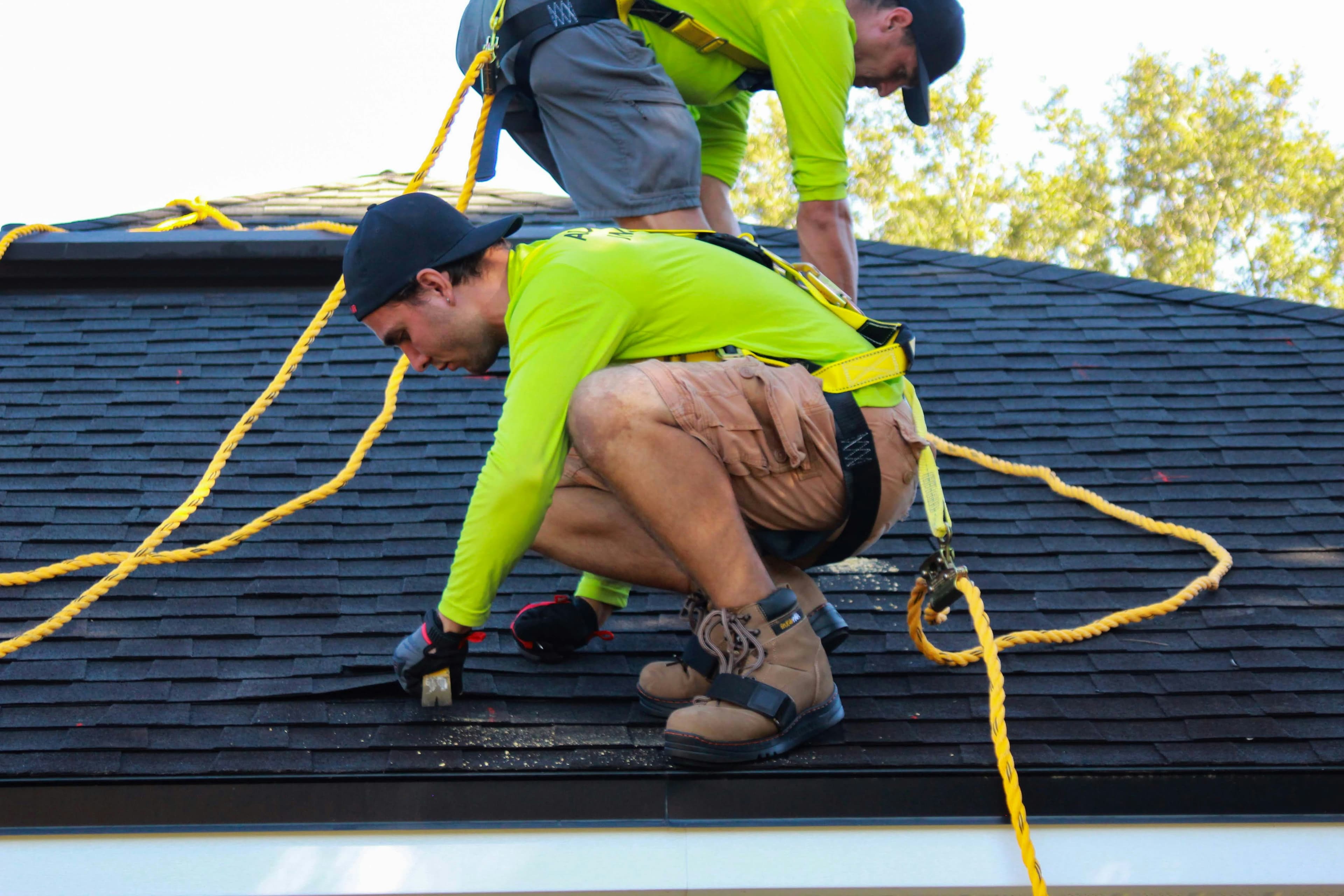
You should understand the condition of your roof before anyone starts selling you one.
Heat, hail, wind, and sudden storms are part of living here. The roofing system should be built accordingly.
Materials matter. Installation matters more. We focus on doing both correctly.
04 / HCR INSPECTION METHODOLOGY
An HCR inspection is designed to separate visible symptoms from the actual condition of the roofing system.
We look, document what we can verify, explain why it matters, and only then recommend a next step.
Look at the roof as a complete system.
We evaluate more than the spot that brought us out. Depending on the property and what is safely accessible, that can include shingles and surface condition, flashing, valleys, roof penetrations, vents, roof edges, drainage, gutters, and visible attic or interior conditions.
LOOKING FOR: damaged or missing shingles · surface wear · flashing issues · compromised seals · drainage problems · moisture indicators · visible structural irregularities
Photograph what we can verify.
When we identify a condition worth discussing, we document it. Photos help establish where the issue is located, what component is affected, and what was visible during the inspection instead of asking you to rely on a verbal explanation alone.
YOUR RECORD: location · roofing component · observed condition · supporting photo · priority
Show you what the finding actually means.
A roof photo is not especially useful if you do not know what you are looking at. We explain which component is affected, what appears abnormal, why it matters to the roofing system, and whether the condition needs attention now or should simply be monitored.
NO ROOFING DEGREE REQUIRED: understand the finding before being asked to make a decision
Let the condition determine the next step.
An inspection does not automatically become a replacement estimate. Depending on what we find, the appropriate recommendation may be maintenance, a targeted repair, additional evaluation, replacement, or no immediate work at all.
POSSIBLE NEXT STEPS: monitor · maintain · repair · further evaluate · replace
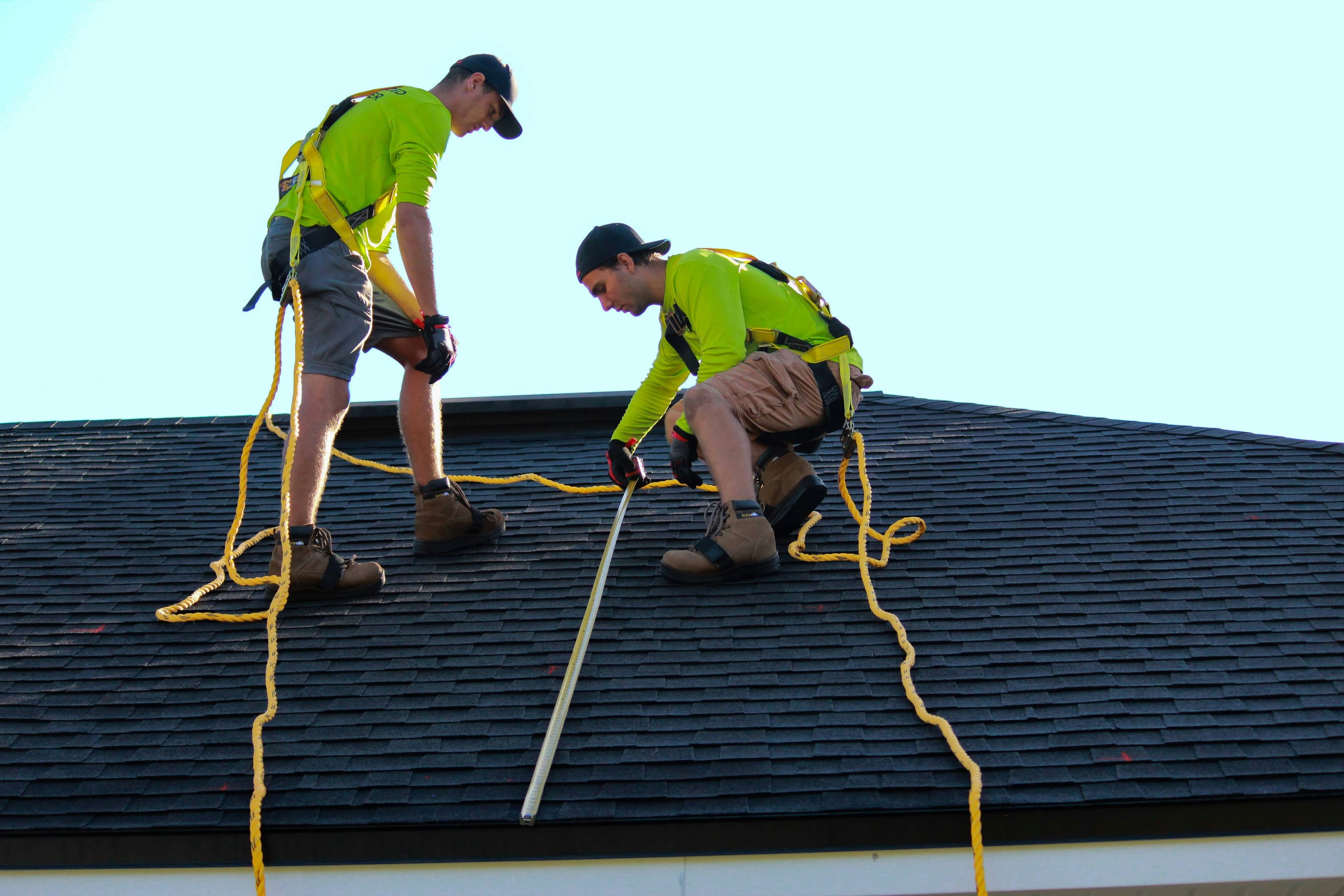
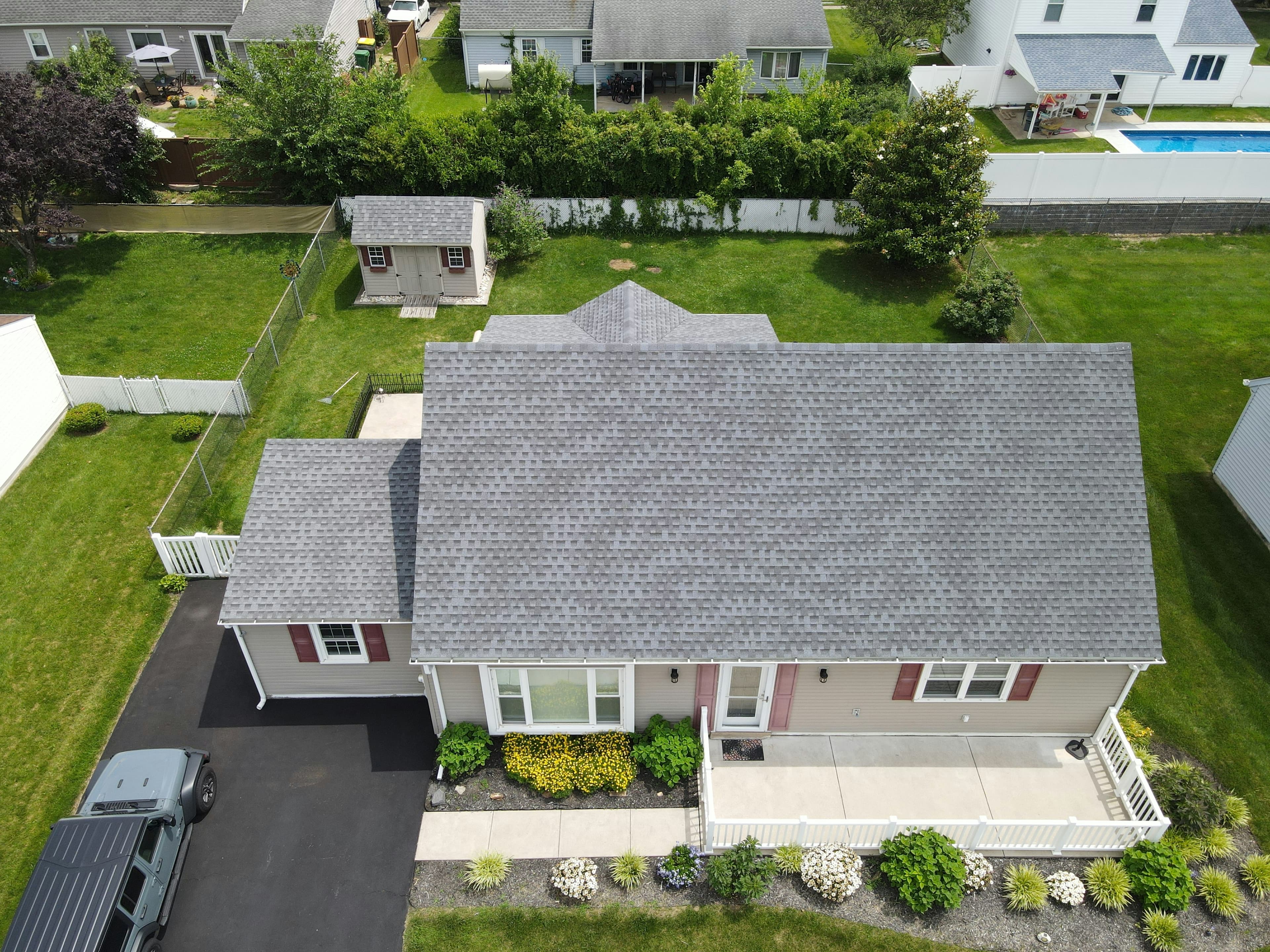
ROOF COVERING / SHINGLES
A displaced or missing shingle can leave part of the roofing assembly with reduced weather protection. The surrounding area should be evaluated and the affected section repaired as appropriate.
05 / PROJECT ESTIMATOR
Get an initial planning range based on your home, roof, and project.
What do you need?
06 / SERVICES
Roofing services built around what your roof actually needs—not whatever creates the biggest invoice.
Understand what is actually happening before deciding what comes next.
Address leaks, damaged shingles, flashing issues, and localized problems without replacing what does not need replacing.
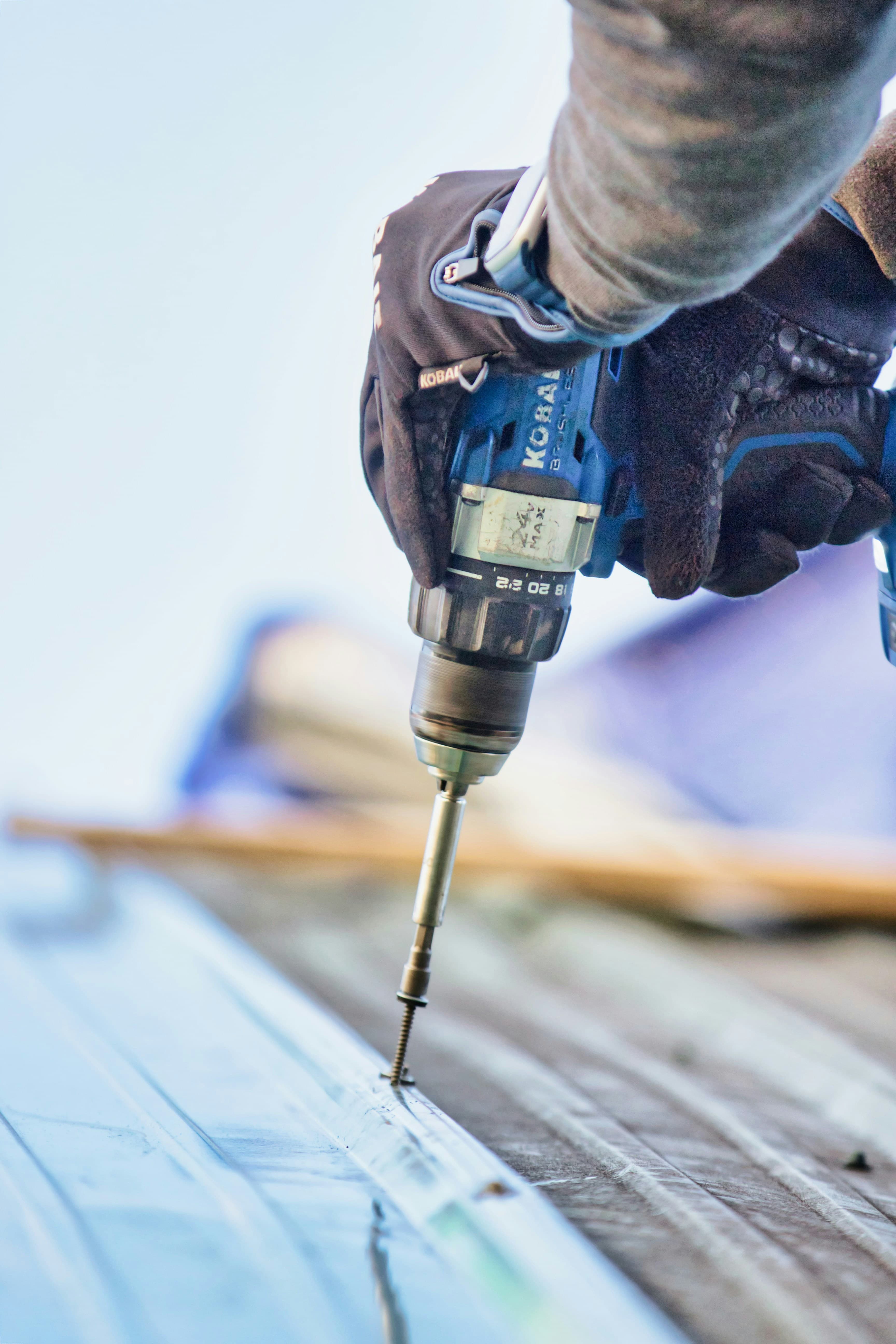
When replacement is warranted, understand why, what is being replaced, and what the new roofing system needs to accomplish.
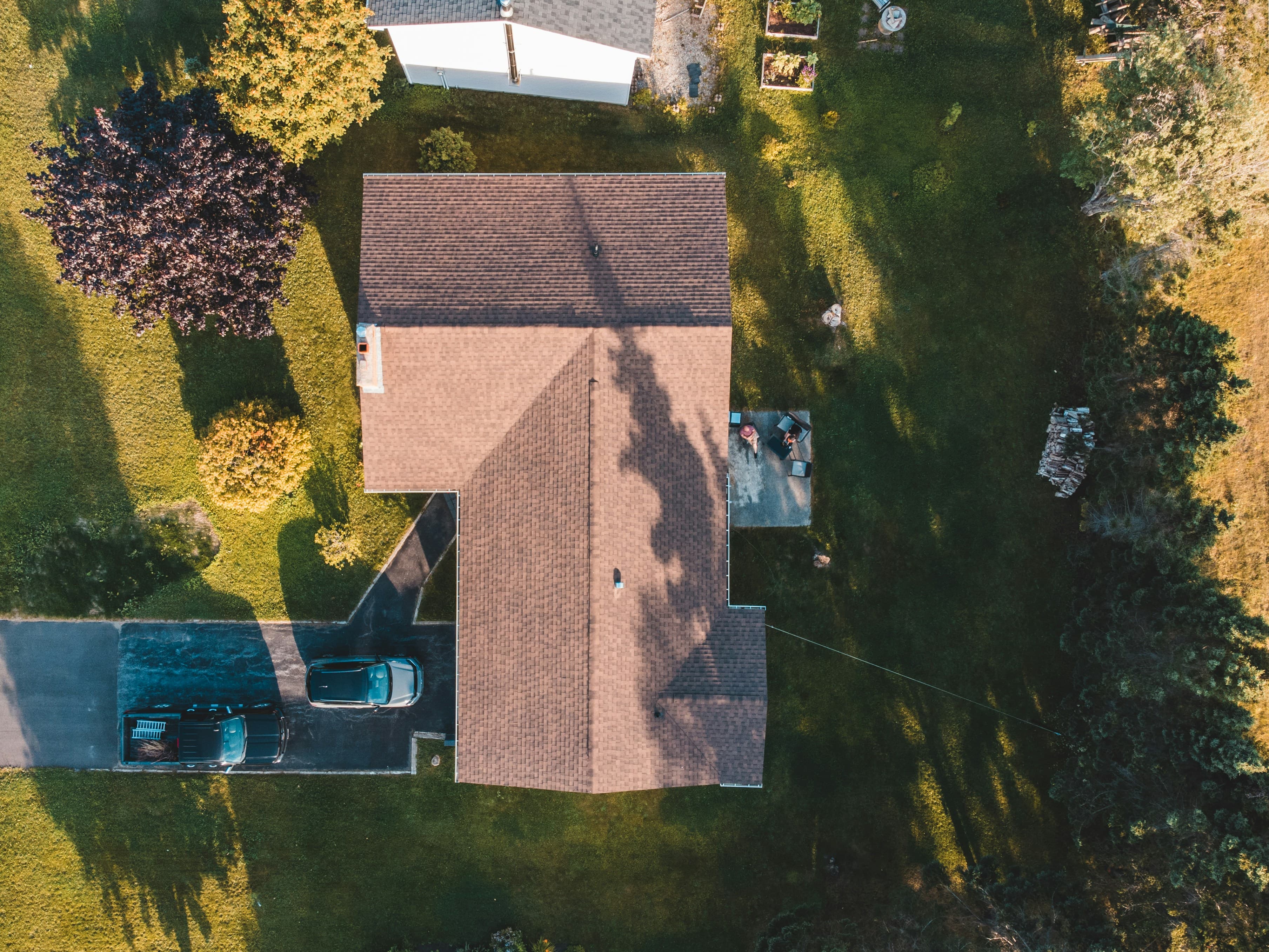
Document visible conditions after hail, wind, and severe weather before small damage has time to become a larger problem.
Catch deterioration, vulnerable transitions, drainage concerns, and other smaller conditions before they become expensive repairs.
09 / WHY HOMEOWNERS CHOOSE HCR
Not every roofing issue requires replacement. If a repair, maintenance, or monitoring is the more appropriate next step, that is the recommendation you should hear.
Our inspection process is built around documentation. When we identify a condition, we show you what we found so the recommendation is connected to something you can actually see.
Scope, priorities, and next steps should be clear before the first material is removed. We want homeowners to understand the work before they authorize it.
Texas heat, hail, wind, and fast-moving storms put roofing systems through specific conditions. Our work is centered around residential roofs in Austin and the surrounding Hill Country.

11 / LOCAL EXPERTISE
Central Texas roofs deal with more than one kind of weather. Long periods of heat can be followed by strong fronts, hail-producing storms, heavy rain, and sudden temperature changes.
That means an inspection should consider the roof as a complete system — not just look for one obvious problem.
Long periods of intense sun and high surface temperatures can accelerate wear across exposed roofing materials.
14 / SCHEDULE AN INSPECTION
Start with the problem, choose an available inspection window, and tell us where to reach you.
STEP 01 / YOUR ROOF